.gif)




.gif)



You’ve done the sea time. Now comes the paperwork: finding the dates, chasing signatures and making sure you have the records you need for your next qualification.
Jack Haworth and his co-founder John Bisset knew that frustration firsthand. They created Digital Sea Service to make recording and documenting sea time easier for crew, bringing calendars, testimonials and supporting information into one place. We caught up with Jack to find out how it works and what’s new.

Keeping track without starting from scratch
The first version of Digital Sea Service offered free tools for digitising records, sharing crew information and generating testimonials.
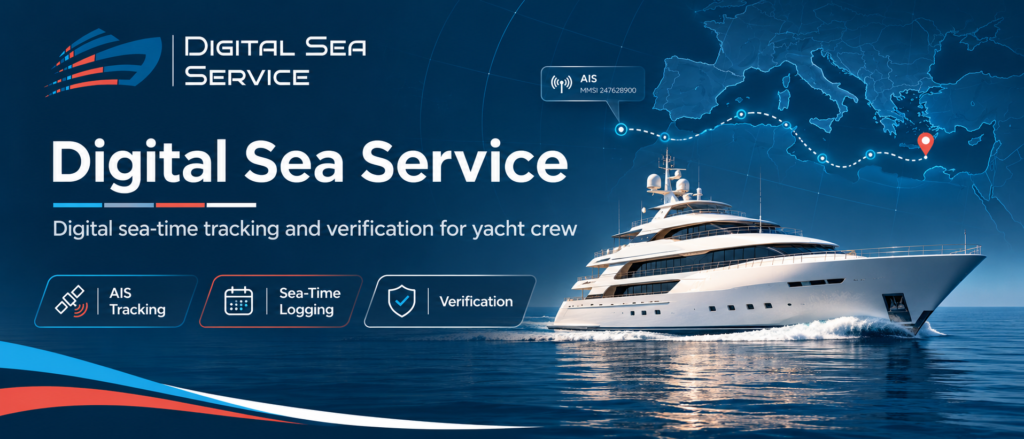
The latest version builds on that with automated vessel tracking, using AIS and satellite data. Crew can enter dates manually on the basic tier, while premium subscribers can use vessel activity to help populate their sea-time calendar.
It means less time piecing together where the yacht was and when, with supporting data available if records need checking.
For anyone with gaps from a previous season, the platform also offers a service to help recover historical vessel data going back up to two years.
Less chasing for signatures
Getting your dates together is only part of the job. You still need the right person to sign off your experience.
Digital Sea Service sends authorised signatories a notification so they can review and digitally approve testimonials through the platform. It generates testimonials for a range of authorities and organisations, including the MCA, US Coast Guard, PYA, Nautilus and AMSA.
Supporting information, such as vessel positions and speeds, can also be provided to help with verification. Crew still need their service reviewed and signed off; the aim is to make that process easier to manage.
A record of how far you’ve come
There’s also a more enjoyable side to keeping track.
Alongside sea days, users can follow milestones such as nautical miles travelled and countries visited. Vessel leaderboards add a little friendly competition, while rewards include discounts on training courses, international SIM cards and logbooks.
For fleet managers, there are tools to oversee multiple vessels and assign different roles to crew and administrators.
At the time of our conversation, Jack reported more than 2,000 registered users, with around 700–800 active each month.
Making the admin easier
For crew working towards their next ticket or planning their next career move, organised records can save a lot of last-minute chasing.
That’s the practical appeal of Digital Sea Service. It brings together information that can otherwise end up scattered across documents, messages and old calendars, making it easier to keep your professional records up to date as you go.
To find out more about the platform and its free and premium features, visit Digital Sea Service.