.gif)


.gif)
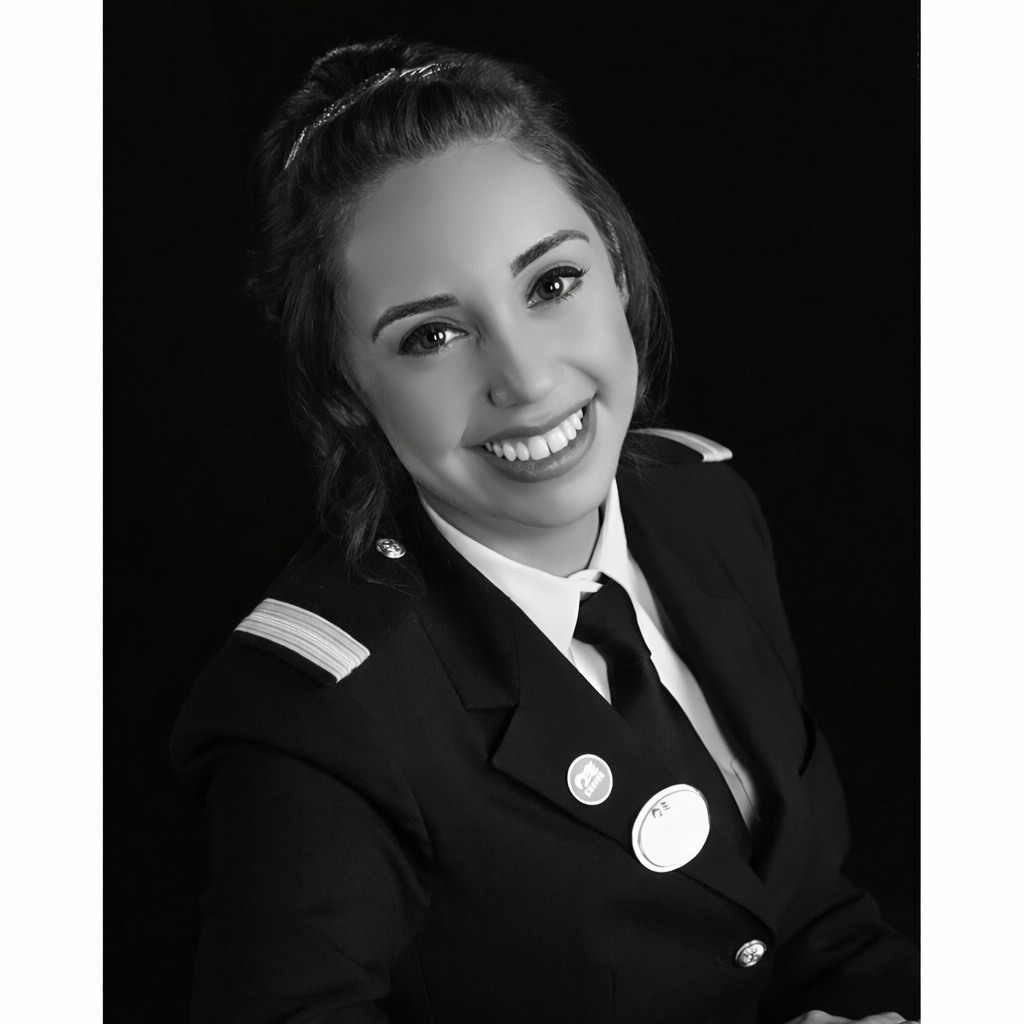
Emma grew up in the seaside town of Falmouth, Cornwall, where her love for the ocean began. With a keen interest in travel and tourism, she pursued her studies in this field, which ultimately led her to the cruise liner industry. Emma gained valuable 5-star hotel experience before joining Princess Cruises as a junior purser back in 2013.
Through dedication and hard work, she advanced through the ranks to become a senior purser, where she had the privilege of overseeing both customer relations and food & beverage operations. Over her seven years in the cruise sector, Emma honed her skills and developed a deep understanding of maritime hospitality and compliance.
In recent years, Emma has transitioned to land-based roles in the hotel and food & beverage sector, yet her passion for the maritime industry has never waned. With her extensive experience as a senior purser, Emma joined West Nautical in 2025 as Charter Assistant to the Managing Director where she can bring her expertise as well as continue to combine her love for the ocean with her professional skills.
Emma Morgan sat down with us to share insights into her exciting career at sea and the journey that ultimately led her to her current role.
1 If you were to summarise your ‘ship to shore’ journey in one sentence, what would it be?
From the decks of cruise liners to the heart of West Nautical, I’ve navigated a course that turned sea-earned skills into a shoreside dream role
2 Can you briefly describe your career at sea and the types of vessels or yachts you worked on?
I built my career at sea over seven years with Princess Cruises, rising from front-line guest relations into senior leadership aboard some of the world’s largest and most complex passenger vessels. I began in guest-facing operational roles, managing high-pressure situations ranging from VIP experience delivery to major onboard incidents, before progressing into supervisory and management positions overseeing multinational teams.
I was later selected for an elite fast-track management programme designed to develop future shipboard leaders, gaining rare, end-to-end exposure to the inner workings of a modern cruise operation, from high-volume luxury hospitality and multi-million-dollar revenue streams to financial controls, crew management, and brand protection at sea.
My final role as Senior Purser and Bar Manager aboard Grand Princessand Golden Princessplaced me in charge of over 20 bars and lounges generating approximately $24 million annually, delivering bespoke experiences for high-net-worth guests while maintaining operational precision across vessels carrying 3,000 passengers.
This journey offered a front-row seat to the realities of life and leadership at sea, where hospitality, human behaviour, and high-stakes decision-making collide far from shore.
3 What role did you hold before making the transition ashore, and what aspects of life at sea did you enjoy most?
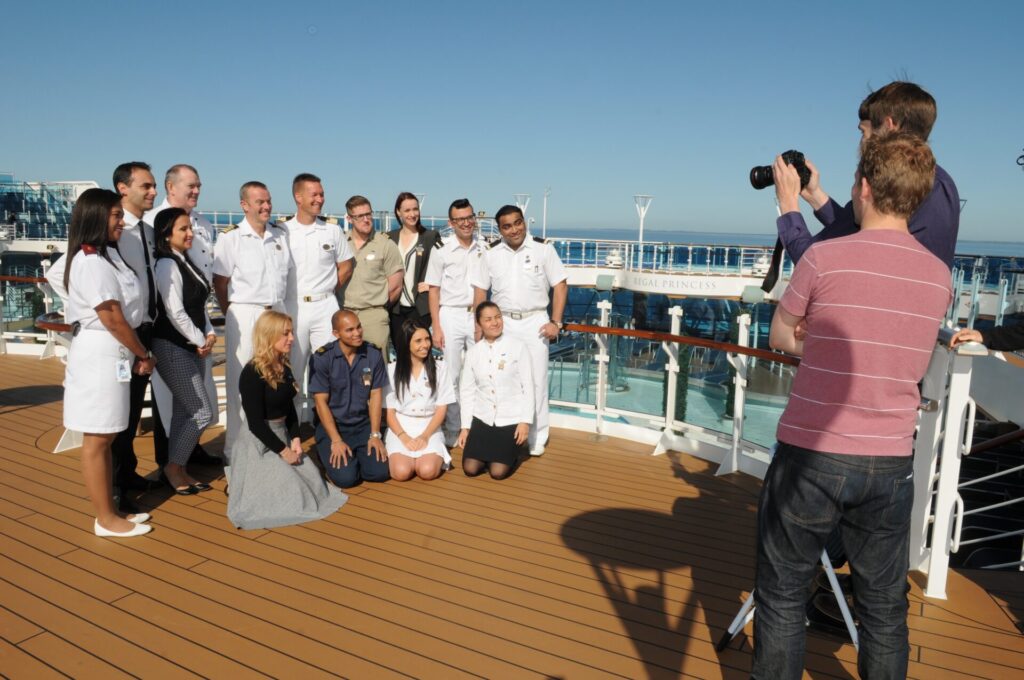
Before transitioning ashore, I held the rank of Senior Purser aboard the Golden Princess, a modern cruise vessel designed to blend the scale and amenities of a luxury resort with the personal touch of high-end hospitality. Accommodating around 3,000 guests, the ship features multiple dining venues, bars and lounges, entertainment spaces, a full-service spa, and extensive recreational facilities, a dynamic environment that demands both operational precision and attentive service.
My primary operational focus was as Bar Manager when I graduated, advising and leading a team of 60 across high-volume hospitality operations, including stock management, menu rollouts, staff training, and ensuring compliance with Responsible Service of Alcohol (RSA) standards. However, I specifically requested to also take on the role of Customer Service Officer, returning to my roots in the hotel department. Having progressed into food and beverage management after completing the elite fast-track management programme, I wanted to ensure a strong customer service focus within the department. In this dual responsibility, I led the Guest Services Officers, coordinated weddings, renewal of vowels and private events, resolved complaints, and ensured every guest experience, from routine inquiries to bespoke VIP arrangements, was seamless.
What I enjoyed most at sea went far beyond operational responsibilities. The camaraderie onboard created a second family, a network of colleagues and friends bonded by shared challenges and unique experiences. I loved the sense of adventure, waking up in a new port each day, and, most importantly, the discipline and work ethic life at sea instilled, which continues to shape how I lead and operate in every environment.
4 What prompted your decision to move from a seafarer role to a shore-based position?
While life at sea had been my dream and an extraordinary journey, I always knew I wanted to leave before I started to resent it. I began to feel I was missing out on life at home, family, friends, and the everyday experiences that make life feel real.
I had achieved more than I could have imagined in a relatively short time: progressing from front-line guest services to senior management roles, completing the elite fast-track programme, and leading large teams aboard major cruise vessels. In my junior days, I was also chosen as a main cast member for the ITV documentary The Cruise, which allowed me to show family and friends what I was really doing at sea, as they often assumed I was just on holiday.
Even though what I was doing was my passion, I realised that life onboard was a bubble, exciting and intense, but separate from the “real world.” It was the right moment to step ashore, to build a life at home, and to channel everything I had learned at sea into a new chapter grounded in reality.
5 What concerns or hesitations did you have before making the transition?
Before making the transition ashore, one of my biggest concerns was whether I would fit in. Life at sea had been all-encompassing, I knew my role and the workings of a cruise ship inside out. Through years of experience and the elite fast-track management programme, I had been trained to understand every operational and customer service aspect onboard, from guest relations to high-pressure incident management.
Moving to a shore-based role, however, felt like stepping into a completely different world. I wondered how my experience would translate and whether the colleagues I would work with truly understood the scope and intensity of what I had accomplished at sea. It was important to me that the skills, insight, and perspective I had developed over years of leading teams and managing complex operations could be valued and applied effectively in a new environment.
6 What was the biggest challenge you faced when moving from ship to shore?
The biggest challenge when moving from ship to shore wasn’t just finding a role where I could fit in professionally, it was also the personal challenge of starting a completely new life. I relocated to London, leaving behind the comfort and familiarity of living with my parents in Falmouth, Cornwall, between contracts. Suddenly, I was navigating not only a new career environment but also a new city, establishing a home and a support network from scratch. Balancing this personal adjustment while translating my extensive sea-going experience into a shore-based role made the transition both exciting and demanding.
7 Which aspects of shoreside work surprised you the most compared to life on board?
I thought life on land would be easier, and that I would fit back in seamlessly, but the reality was very different. The transition to shoreside life required a much bigger adjustment than I had expected. Finding my own place, setting up a home, and settling into a city I had only really known as a child took time and energy in ways I hadn’t anticipated.
What surprised me most, though, was how different relationships felt. On board, you live and breathe alongside your colleagues; those friendships form naturally and deeply, and they become your second family. Shoreside, it was harder to make connections, and the friendships didn’t develop with the same intensity or authenticity. Everything seemed to take longer, and at times it felt like people didn’t fully understand me or my experiences. That all changed when I joined West Nautical with like-minded team members, many of whom had careers at sea before transitioning shore side themselves.
The multicultural friendships I had at sea, with people from all over the world, shaped who I am, and stepping away from that close-knit environment was one of the most unexpected challenges of moving ashore.
8 How did your mindset or working style need to change once you moved ashore?
Life on board is extremely structured, with processes and procedures playing a vital role in keeping the ship running safely and efficiently. After seven years in that environment, that way of working becomes second nature. You follow the system, and if you don’t, then ship life simply isn’t for you.
When I moved ashore into a management role, I quickly realised that the leadership style that had been praised at sea and had helped me progress, didn’t translate as well in a shoreside environment. While I was always approachable on board and was often told I was different from other officers and managers, the direct and disciplined style that works at sea still felt too firm for those on land.
I had to learn to ease my working style and find a middle ground, maintaining structure and accountability while adapting to a more flexible shoreside culture. That shift wasn’t easy, but over time I adjusted, and it ultimately helped me grow into a more effective shoreside leader.
9 Which skills from your time at sea have proven most valuable in your shore-based role
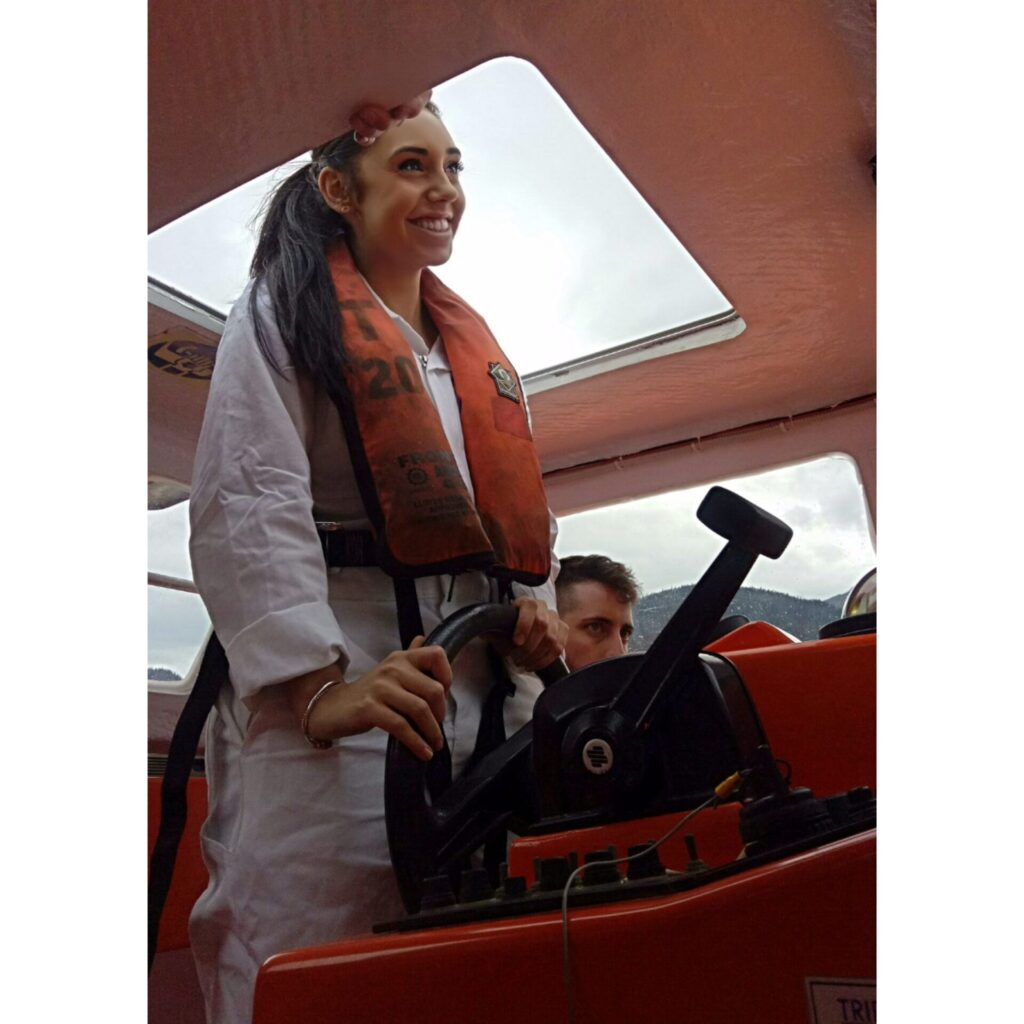
Leadership has been one of the most valuable skills I brought ashore. Life at sea requires you to take responsibility, make decisions, and lead by example, often in highly stressful situations where the impact of those decisions really matters. That experience has translated strongly into my shoreside role.
Working on board also develops the ability to handle sensitive subjects with professionalism and discretion. Managing people in close-quarter environments means dealing with challenging conversations and personal situations calmly and respectfully, skills that are just as important shoreside.
Structure and organisation are also key strengths developed at sea. Managing complex operations, tight schedules, and strict procedures builds a disciplined and methodical approach to work. Alongside extensive knowledge across different departments, logistics, and the travel industry as a whole, these skills have given me a well-rounded operational perspective that continues to add value ashore.
10 Are there any skills you developed on board that you didn’t initially realise would be transferable?
One of the biggest skills I didn’t immediately recognise as transferable was the ability to read people and situations quickly. Living and working alongside colleagues around the clock means you become highly aware of team dynamics, moods, and potential issues before they escalate, something that has proven extremely valuable in a shoreside environment.
Emotional resilience is another skill that developed naturally at sea. Long contracts, time away from home, and high-pressure situations teach you how to stay calm, focused, and professional, even when things are challenging. That resilience has carried over strongly into my shore-based role.
Working at sea also sharpens your ability to prioritise under pressure. You learn to assess what is urgent, what can wait, and how to adapt quickly when circumstances change. Alongside this, adaptability becomes second nature, as no two days on board are ever the same.
Finally, clear and concise communication is something you don’t always appreciate until you move ashore. Operating in safety-critical environments with multicultural crews teaches you to communicate effectively and with purpose, a skill that continues to be invaluable in my shoreside role.
This is Part One of our two-part interview with Emma Morgan. In Part Two, Emma discusses her role at West Nautical, the shore-based opportunities available to seafarers and her advice for crew considering the transition ashore.